News

Michael Olise’s Growth Is a Preview of the Brand Opportunity Around the 2026 World Cup
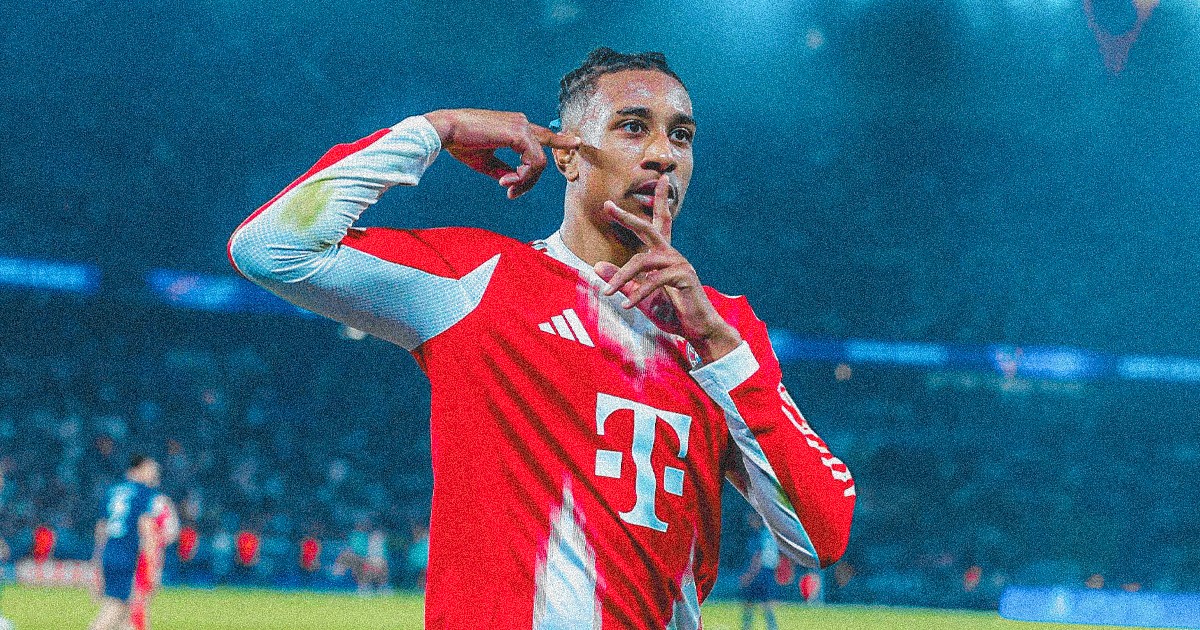
Michael Olise’s recent social growth is not just a story about one player getting hotter during a Champions League run. It is a preview of the scale of exposure the 2026 FIFA World Cup could create for athletes and the brands aligned with them before the tournament even begins.
During Bayern Munich’s Champions League knockout run, Olise exploded online. Between April 7th and April 28th, his Instagram following jumped from 2.8 million to 4.5 million followers — a +1.7 million increase and 60.71% growth in just three weeks.
The growth came while delivering breakout performances against clubs like Real Madrid and PSG, proving how quickly global audiences rally around players during major tournament moments.
But the bigger takeaway for brands is this: the World Cup is exponentially larger than the Champions League.
The World Cup Operates at a Different Scale Entirely
The UEFA Champions League is already one of the biggest competitions in global sports. Yet the FIFA World Cup still exists in an entirely different category when it comes to audience scale and cultural reach.
The 2022 FIFA World Cup averaged roughly 175 million viewers per match globally. For comparison, the 2024 UEFA Champions League Final drew approximately 145 million viewers total worldwide.
In other words, the average World Cup match outperformed even the biggest single club soccer match of the year.
The scale becomes even larger deeper into the tournament. The 2022 World Cup Final between Argentina and France reached nearly 1.5 billion total viewers globally, while the match itself peaked at over 570 million in-home viewers.
Social engagement surrounding the 2022 Final also rose 621% compared to the 2018 Final, showing how rapidly the tournament’s digital footprint continues expanding alongside global social media growth.
Those numbers matter because tournaments at this scale do not just create sports moments anymore. They create internet moments, celebrity moments, and massive audience acceleration for athletes in real time.
If a Champions League knockout run can produce +1.7 million followers in less than a month for an already established player like Michael Olise, the World Cup presents an even larger runway for visibility, mainstream relevance, and explosive audience growth.
Hosting the World Cup in the United States Changes the Opportunity Even More
The 2026 tournament introduces another factor that makes this opportunity especially important for brands: location.
For the first time since 1994, the FIFA World Cup returns to the United States at a time when soccer fandom in America is growing rapidly and still relatively untapped compared to other major global sports.
The tournament is also expanding to 48 nations and 104 matches across 39 days, creating more exposure opportunities, more breakout stars, and more sustained media attention than any previous World Cup.
That expanded format matters from a marketing perspective.
More nations means more regional fanbases becoming emotionally invested. More matches means more opportunities for viral moments. More visibility means more athletes entering mainstream conversations outside traditional soccer audiences.
For brands, this creates a rare environment where athlete visibility can compound faster than almost any other event in sports.
Brands Have a Narrow Window to Position Themselves Early
The most valuable partnerships during the World Cup may not be the ones signed during the tournament itself. They will likely be the brands that identified rising athletes before global breakout moments happened.
That is the real lesson behind Olise’s growth.
He is already a globally recognized player, but his recent surge demonstrates how quickly visibility multiplies once performance, storylines, and tournament exposure align simultaneously.
The 2026 World Cup will create dozens of those moments.
Unknown players can become household names within weeks. Emerging stars can suddenly become globally marketable. Audience growth can accelerate almost overnight through a single performance, celebration, or viral moment.
For brands looking to invest in athlete marketing, the runway to establish authentic relationships before those breakout moments arrive is already open.
The 2026 World Cup Could Become a Defining Athlete Marketing Moment
Global tournaments have evolved into far more than sports competitions. They are now some of the largest audience aggregation events on the planet.
The combination of a U.S.-hosted World Cup, expanded global participation, increased match volume, and exploding social amplification creates what could become one of the biggest athlete branding opportunities in modern sports marketing.
Michael Olise’s recent growth is simply an early example of what that environment can produce.
For brands paying attention now, the opportunity is not just about aligning with today’s stars. It is about identifying tomorrow’s breakout global names before the rest of the market catches up.
GARRETT ROSPARS
Here are some related blog posts you might be interested in reading